Featured
Vetting Financial Obligation Management vs Financial Obli...
Is Your Financial obligation Too Old to Take legal action...

Why Regional Households Pick Nonprofit Financial Obligati...
Why Traditional Scores Are Changing for Local Borrowers
Table of Contents
The Advancement of Danger Assessment in Corona Credit Counseling
By middle of 2026, the shift from conventional linear credit history to complex synthetic intelligence designs has actually reached a tipping point. Banks across the United States now depend on deep knowing algorithms to forecast borrower behavior with a precision that was impossible simply a couple of years earlier. These systems do not merely take a look at whether a payment was missed out on; they analyze the context of financial decisions to figure out creditworthiness. For homeowners in Corona Credit Counseling, this means that the basic three-digit score is increasingly supplemented by an "AI confidence period" that updates in genuine time based on everyday deal information.
The 2026 version of credit scoring locations a heavy emphasis on capital underwriting. Instead of relying entirely on the age of accounts or credit usage ratios, lending institutions utilize AI to scan bank statements for patterns of stability. This shift benefits individuals who might have thin credit files but preserve consistent recurring income. Nevertheless, it likewise demands a higher level of monetary discipline. Artificial intelligence models are now trained to determine "tension signals," such as a sudden increase in small-dollar transfers or changes in grocery costs patterns, which may suggest upcoming monetary difficulty before a single costs is actually missed.
Real-Time Credit Tracking and Predictive Analysis
Credit monitoring in 2026 has moved beyond simple signals about new queries or balance modifications. Modern services now offer predictive simulations driven by generative AI. These tools enable customers in their respective regions to ask particular questions about their financial future. For example, a user might ask how a specific automobile loan would impact their ability to get approved for a mortgage eighteen months from now. The AI examines present market patterns and the user's personal data to supply an analytical possibility of success. This level of foresight helps avoid customers from handling debt that could jeopardize their long-term objectives.
These keeping an eye on platforms also work as an early caution system against advanced AI-generated identity theft. In 2026, artificial identity fraud has ended up being more typical, where wrongdoers mix genuine and fake data to develop entirely new credit profiles. Advanced tracking services use behavioral biometrics to find if an application was likely completed by a human or a bot. For those concentrated on Debt Relief, remaining ahead of these technological shifts is a requirement for preserving financial security.
Consumer Rights and the Right to an Explanation
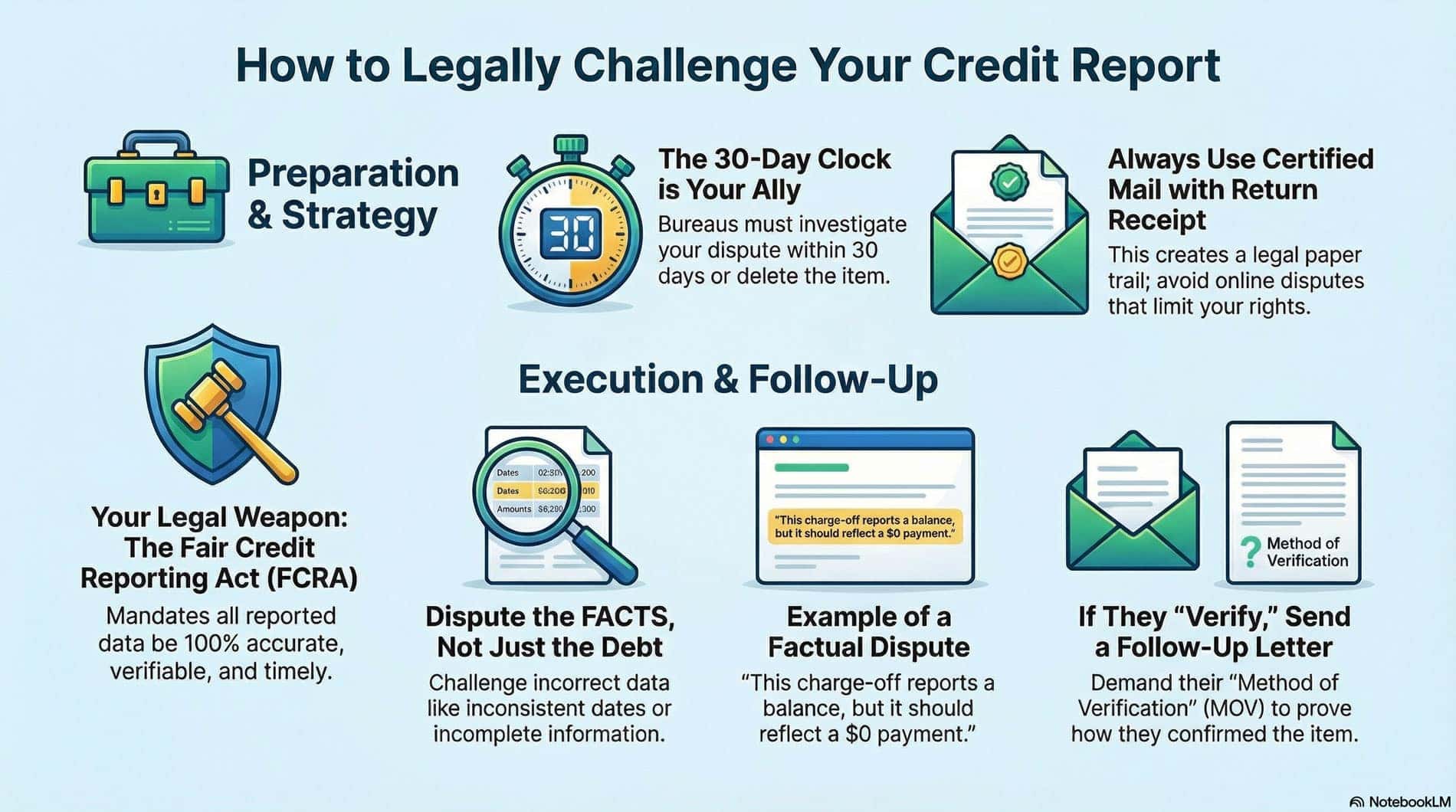
As AI takes over the decision-making process, the question of consumer rights becomes more complex. The Consumer Financial Defense Bureau (CFPB) has issued stringent guidelines in 2026 relating to algorithmic transparency. Under these rules, loan providers can not just declare that an AI model denied a loan; they need to supply a specific, understandable reason for the unfavorable action. This "explainability" requirement guarantees that locals of Corona Credit Counseling are not left in the dark when an algorithm deems them a high risk. If a machine discovering model identifies a particular pattern-- such as irregular utility payments-- as the factor for a lower score, the loan provider needs to reveal that detail plainly.
Consumer advocacy stays a cornerstone of the 2026 financial world. Considering that these algorithms are constructed on historical data, there is a constant danger of baked-in predisposition. If an AI model unintentionally penalizes specific geographic locations or market groups, it violates federal fair lending laws. Many people now work with DOJ-approved not-for-profit credit therapy companies to examine their own reports and comprehend how these machine-driven choices affect their loaning power. These agencies provide a human look at a system that is becoming significantly automated.
Incorporating Option Data into the 2026 Rating
The addition of alternative data is possibly the greatest modification in the 2026 credit environment. Lease payments, subscription services, and even expert licensing information are now basic elements of a credit profile in the surrounding area. This change has opened doors for countless people who were formerly "unscoreable." AI handles the heavy lifting of validating this information through protected open-banking APIs, making sure that a history of on-time lease payments carries as much weight as a traditional mortgage payment may have in previous years.

While this growth of information supplies more opportunities, it also means that more of a customer's life is under the microscope. In 2026, a single unsettled health club membership or a forgotten streaming subscription could potentially dent a credit score if the information is reported to an alternative credit bureau. This makes the function of comprehensive credit education a lot more essential. Understanding the types of information being gathered is the primary step in managing a modern monetary identity. Professional Debt Relief Programs assists people browse these intricacies by providing structured strategies to attend to financial obligation while simultaneously enhancing the data points that AI designs worth most.
Debt Management in an Algorithmic World
For those fighting with high-interest debt in 2026, the interaction in between AI scoring and debt management programs (DMPs) has actually shifted. Historically, getting in a DMP may have triggered a short-term dip in a credit report. Today, AI designs are much better at acknowledging the distinction in between a consumer who is defaulting and one who is proactively looking for a structured repayment strategy. Lots of 2026 algorithms see participation in a not-for-profit debt management program as a positive indicator of future stability instead of an indication of failure.
Not-for-profit firms that supply these programs work out straight with creditors to lower rate of interest and consolidate payments into a single regular monthly obligation. This procedure is now often managed through automated portals that sync with the consumer's AI-driven credit screen. As payments are made, the positive information is fed back into the scoring models, frequently leading to a faster score recovery than was possible under older, manual systems. People who actively browse for Debt Relief near Corona frequently discover that a structured approach is the most effective way to please both the lenders and the algorithms that identify their monetary future.
Maintaining Financial Personal Privacy and Security
With so much information flowing into AI designs, privacy is a leading concern in 2026. Consumers in Corona Credit Counseling can pull out of certain types of data sharing, although doing so can sometimes lead to a less precise (and therefore lower) credit history. Balancing the desire for a high rating with the need for information personal privacy is an individual decision that requires a clear understanding of how credit bureaus utilize information. Modern credit reports now include a "data map" that reveals exactly which third-party sources added to the present rating.
Security measures have actually likewise advanced. Two-factor authentication is no longer enough; lots of banks now utilize AI to verify identity through voice patterns or typing rhythms. While this includes a layer of security, it also suggests consumers need to be more watchful than ever. Frequently examining credit reports for inaccuracies is still a fundamental task. If an AI design is fed incorrect information, it will produce an inaccurate rating, and fixing those errors in an automated system can sometimes need the help of a professional therapist who understands the disagreement procedure in 2026.
The shift towards AI in credit history is not simply a technical change; it represents a brand-new method of believing about trust and risk. By focusing on behavioral consistency instead of simply historical financial obligation, the 2026 financial system offers a more nuanced view of the person. For those who stay notified and use the tools available to them, this new period supplies more paths to monetary stability than ever in the past.

Table of Contents
Latest Posts

Vetting Financial Obligation Management vs Financial Obligation Settlement in Jersey City New Jersey Debt Relief Without Filing Bankruptcy

5 Questions to Ask Your Credit Counselor Today
Is Your Financial obligation Too Old to Take legal action against Over?
More
Latest Posts
5 Questions to Ask Your Credit Counselor Today
Is Your Financial obligation Too Old to Take legal action against Over?